
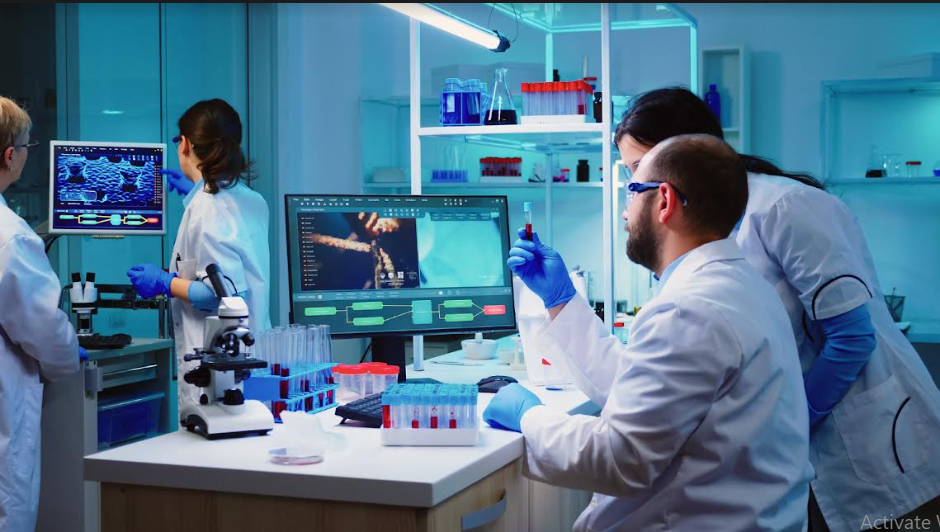
Have you ever wondered what happens behind the scenes when you get a medical test? Pathology labs are the hidden heroes, working tirelessly to analyse samples and provide crucial information for diagnoses. But the field of pathology is no longer stuck in the past. Recent years have seen a surge of exciting advancements, transforming the way we test for diseases. These innovations are not just about fancy technology – they’re about improving patient outcomes, catching issues earlier, and delivering more personalised care. Whether you’re visiting a pathology lab in Nagpur or anywhere else in the world, you’ll notice that the integration of digital pathology, AI-driven diagnostics, and molecular testing is making a profound difference. This article explores key advancements in these technologies and highlights their impact on the future of medical testing.
Revolutionizing Slide Analysis: The Rise of Digital Pathology
Imagine examining a tissue sample under a microscope – that’s the traditional way pathologists analyse slides. But now, digital pathology is changing the game. Instead of squinting through lenses, doctors can view high-resolution scans on a computer screen. This approach offers several advantages.
- Sharper Vision: Digital scans provide incredible detail, allowing doctors to spot tiny features they might miss on a traditional slide.
- Sharing Made Easy: Need a second opinion from an expert across the globe? No problem! Digital slides can be shared instantly, speeding up consultations and diagnosis times.
- Remote Expertise: Telepathology is becoming a reality, where pathologists can provide consultations from afar. This is especially helpful in areas with limited access to specialists, even in cities like Nagpur.
- Data for the Future: Storing digital slides electronically means easy access to past data. This helps doctors track disease progression and evaluate treatment effectiveness, paving the way for better care in the future.
AI Joins the Team: Enhancing Accuracy and Speed
Artificial intelligence (AI) is no longer science fiction – it’s becoming a valuable tool in pathology labs. These powerful algorithms can analyse vast amounts of data, identifying patterns and anomalies that might escape the human eye.
Here’s how AI is making a difference:
- Eagle-Eyed Analysis: AI systems can be trained to recognise specific features in tissue samples, like cancerous cells, with impressive accuracy. This helps diagnose diseases faster and ensures patients receive timely treatment.
- Predicting the Future: AI can analyse past data to predict disease outcomes and guide treatment decisions. This personalised approach leads to better results and a more efficient use of healthcare resources.
- Minimizing Errors: Even the most skilled pathologists can miss details, especially with a heavy workload. AI acts as a valuable second pair of eyes, catching subtle clues that might be overlooked.
- Tackling the Workload: As chronic diseases and aging populations increase, the demand for pathology services is growing. AI can handle routine tasks and analyse data quickly, freeing up pathologists’ time for complex cases and patient interaction.
Molecular Testing: Unveiling the Blueprint of Disease
Molecular testing is a game-changer in pathology. By analysing the molecular makeup of tissues, doctors can gain insights into the genetic and biochemical factors driving a disease. This information is critical for developing personalised treatment plans.
Here’s how molecular testing is impacting healthcare:
- Cancer Treatment Revolution: Identifying specific gene mutations in tumours allows doctors to choose targeted therapies that are more likely to be effective. This precision approach not only improves treatment outcomes but also reduces side effects.
- Unmasking Infections: Traditional methods of identifying bacteria and viruses can be slow and sometimes unreliable. Molecular techniques like PCR (polymerase chain reaction) allow for rapid and accurate identification, leading to quicker and more effective treatment of infectious diseases.
- Monitoring Progress: Molecular testing can monitor the effectiveness of treatments. By analysing changes in the molecular profile of a disease, doctors can determine if a treatment is working and make adjustments as needed. This ensures patients receive the most effective therapies based on real-time data.
The Future of Healthcare: A Brighter Outlook
Advancements in pathology lab technologies are having a profound impact on patient care. Here’s how:
- Early Detection Saves Lives: Improved diagnostic accuracy means diseases can be detected earlier, often before symptoms appear. This is crucial for successful treatment, particularly for cancers where early intervention is key.
- Faster Answers, Less Waiting: Quicker diagnostic processes mean less time spent waiting for results, reducing anxiety and allowing for faster treatment initiation. This is especially important in acute conditions where timely intervention can make a significant difference.
- Personalized Medicine for All: By tailoring treatment plans based on molecular and genetic information, patients receive therapies targeted to their specific needs. This increases the likelihood of success and minimizes side effects, leading to an overall better quality of life.
Chronic Disease Management: Advanced pathology technologies allow for ongoing monitoring and precise adjustments to treatment plans for chronic conditions like diabetes or heart disease. This leads to better long-term management and improved health outcomes.
A More Efficient System: Reduced time and resources needed for diagnostics translate to a more efficient healthcare system. This allows providers to focus more on patient care and other critical areas, potentially lowering healthcare costs and making advanced medical care more accessible to a broader population in Nagpur and beyond.
Continuous Learning and Progress: The integration of these advanced technologies into pathology labs fosters continuous learning and development within the medical field. Pathologists and other healthcare professionals can stay updated with the latest advancements, ensuring they are equipped with the best tools and knowledge to provide top-notch care. This ongoing education and adaptation are essential for maintaining high standards in medical practice and improving patient outcomes across the board.
Conclusion
The field of pathology is undergoing a transformation, driven by advancements in digital pathology, AI-driven diagnostics, and molecular testing. These technologies are revolutionizing medical testing, making it more accurate, efficient, and personalized. As these innovations continue to evolve, they hold the promise of further improving patient outcomes and shaping the future of healthcare. The integration of these advanced technologies into everyday clinical practice is set to redefine the standards of patient care, ensuring that medical testing keeps pace with the demands of modern medicine. As these technologies become more widely adopted in pathology labs like those in Nagpur, they will likely lead to even more groundbreaking discoveries and improvements in patient care.
The future of pathology labs looks bright, with ongoing advancements promising to bring about a new era of precision and efficiency in medical testing. By embracing these innovations, healthcare providers can ensure that they are delivering the highest standard of care to their patients, ultimately leading to better health outcomes and a more robust healthcare system. The continuous evolution of pathology lab technologies is a testament to the incredible progress being made in the medical field, offering hope and improved quality of life for patients worldwide.
In essence, whether you choose a pathology lab in Nagpur or elsewhere, the integration of digital pathology, AI-driven diagnostics, and molecular testing is setting new benchmarks in medical testing. These advancements are not just technological marvels but pivotal elements that are shaping a healthier future for all.
