
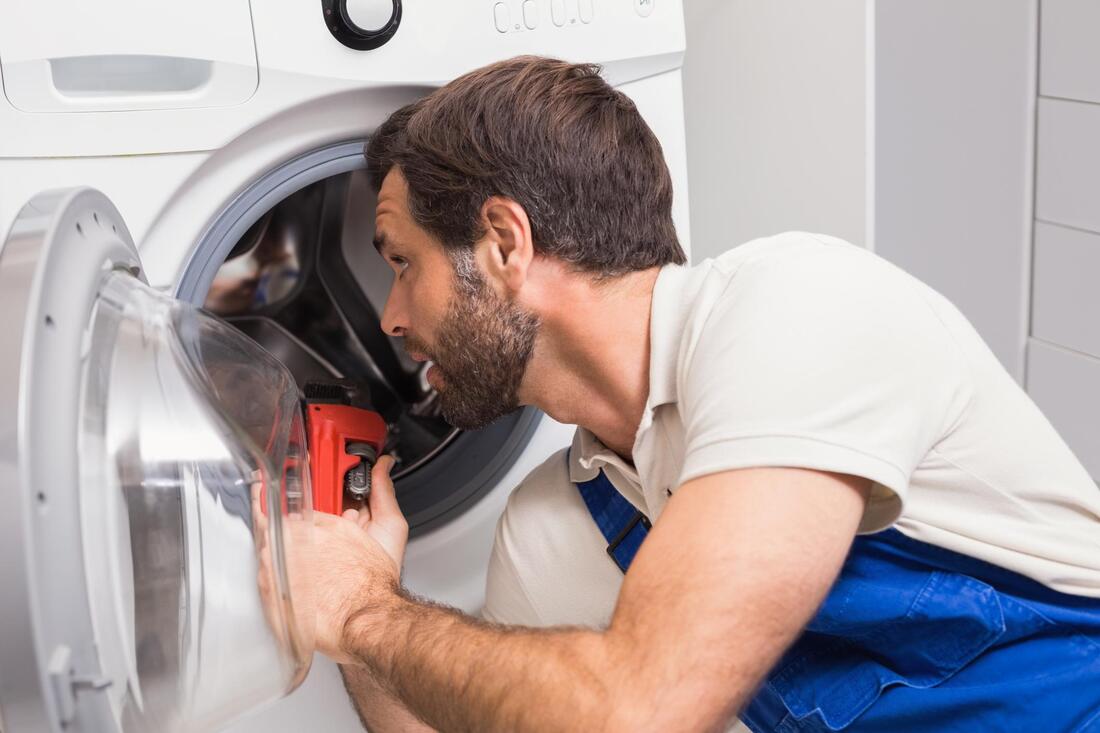
The domestic appliance sector has undergone a profound transformation. What were once predominantly electromechanical devices are now intricate ecosystems of sensors, microprocessors, and sophisticated control algorithms. While this technological leap has delivered unparalleled energy efficiency and enhanced user functionality, it has concurrently introduced a new echelon of complexity into the realm of appliance repair, particularly noticeable in densely populated urban corridors like the DMV area, including Alexandria, VA, and Washington, DC.
For homeowners grappling with malfunctioning units, property managers overseeing extensive portfolios, and service professionals striving for precision, a deep understanding of contemporary appliance failure modes—and the advanced diagnostic and repair protocols required—is indispensable. This article delves into the technical intricacies of common failures in modern washers, dryers, and refrigerators, highlighting cutting-edge diagnostic approaches, validated repair methodologies, and crucial environmental factors influencing service in metropolitan settings.
Table of Contents
Decoding Modern Appliance Architecture: Beyond Simple Mechanics
The current generation of home appliances is characterized by deeply embedded electronics. Features such as logic boards, inverter drives, networked sensors, and firmware-driven operations are now standard. This shifts the diagnostic paradigm significantly. A problem that might once have been resolved by replacing a mechanical timer or a basic thermostat now often necessitates a multi-faceted approach to identify a failed component within a complex electronic circuit or even a software glitch.
Consider these contemporary scenarios:
- A washing machine failing to agitate or spin could be attributed to a faulty hall effect sensor monitoring motor speed, rather than a direct mechanical defect in the motor itself.
- When a refrigerator struggles to maintain temperature, the culprit might be a malfunctioning variable-speed compressor inverter board, which precisely regulates refrigerant flow and compressor speed, rather than a simple refrigerant leak or a mechanical compressor failure.
- Dryers equipped with digital displays frequently present cryptic error codes. Deciphering these codes demands access to proprietary service manuals and often specialized diagnostic tools that communicate directly with the appliance’s control unit.
These layers of integrated technology mandate that modern appliance repair transcends mere component replacement. It is fundamentally about precise root cause analysis, often involving logical deduction and systematic elimination.
Technical Deep Dive: Addressing Washer and Dryer Malfunctions
Washing Machine System Failures:
- Drainage and Spin Cycle Anomalies: These issues often stem from more than just a clogged pump. In advanced units, they can indicate a malfunctioning pressure switch (responsible for detecting water levels), or even a control board fault that misinterprets load sensing data, preventing proper draining or high-speed spinning.
- Inverter Motor and Drive System Issues: High-efficiency washers often employ Brushless DC (BLDC) motors controlled by sophisticated inverter boards. Failures in these systems can manifest as intermittent operation, grinding noises, or complete non-operation. Diagnosing these requires meticulous resistance measurements across motor windings and verifying the integrity of the Pulse Width Modulation (PWM) signals from the inverter.
- Door Lock and Interlock Mechanism Malfunctions: Modern front-load washers are equipped with electronic door lock mechanisms for safety. A defect in the door lock switch assembly or its associated wiring will prevent the wash cycle from initiating. Verification typically involves multimeter continuity checks and often requires accessing the door strike mechanism.
Dryer System Failures:
- Absence of Heat Production: While a failed heating element is a common suspect, contemporary dryers integrate NTC thermistors (negative temperature coefficient sensors) and thermal cutoffs as crucial safety and temperature regulation components. A silent failure in these can present identically to a broken element.
- Motor Inoperability: Beyond a simple motor failure, issues can include a seized blower wheel obstructing air flow or a degraded start capacitor (in AC motor designs) that prevents the motor from initiating rotation.
- Electronic Control Panel and User Interface Failures: Touch-sensitive control panels and integrated UI boards are increasingly susceptible to failures caused by power fluctuations, moisture ingress, or component aging. These failures often necessitate following manufacturer-specific diagnostic flowcharts to isolate the malfunctioning circuit.
It’s crucial for service professionals to recognize that appliance malfunctions can often be multi-faceted. A comprehensive elimination-based diagnostic strategy is paramount to avoid misdiagnosis and ensure effective, lasting repairs.
Refrigerator Cooling Cycles: Complexities and Common Failure Points
Refrigerators, historically robust, now incorporate advanced technologies to meet stringent energy efficiency standards and consumer demand for silent operation. The widespread adoption of inverter-driven compressors, linear compressors, and adaptive defrost algorithms has undeniably complicated diagnostics.
Common Refrigerator System Failures:
- Compressor Inverter Board Degradation: These solid-state boards are vital for controlling the variable speed of modern compressors. Their failure can precisely mimic the symptoms of a sealed system issue (e.g., refrigerant leak), leading to costly misdiagnoses. Verification often requires specialized oscilloscope readings to confirm proper waveform output to the compressor.
- Defrost System Malfunctions: Evaporator coil icing is a prevalent issue that can significantly impair cooling. While symptoms might suggest a compressor problem, the root cause is frequently a faulty defrost heater, a miscalibrated defrost thermostat, or a defective defrost sensor that fails to initiate timely defrost cycles.
- Thermistor and Electronic Control Logic Failures: Inaccurate temperature regulation or intermittent cooling often points to faulty NTC thermistors providing erroneous data to the main control board. Replacing these requires ohmic resistance testing at specified temperature points to ensure accuracy.
A significant challenge in refrigerator diagnostics is the occurrence of false positive symptoms, where cooling is compromised but the underlying issue is not a sealed system component. Examples include obstructed air flow within the fresh food or freezer compartments, or a malfunctioning damper motor preventing proper cold air distribution.
Advanced Diagnostic Methodologies: Tools of the Trade
Effective appliance repair is no longer solely about mechanical aptitude; it’s a discipline rooted in systematic diagnostics and the deployment of specialized instrumentation. Professional service providers employ a range of advanced techniques:
- Precision Multimeter and Clamp Meter Applications: These essential tools are used for verifying circuit continuity, measuring amperage draw of high-load components like heating elements and compressors, and identifying voltage drops across critical circuit paths and control boards.
- Long-Term Temperature Data Logging: For intermittent cooling issues or subtle temperature fluctuations, wireless temperature sensors or dedicated data loggers capture real-time appliance performance over extended periods, providing invaluable data for diagnosis.
- Leveraging Manufacturer Diagnostic Modes: Most contemporary appliances are equipped with hidden service modes, accessible via specific button sequences. These proprietary modes allow technicians to isolate and activate individual components, facilitating rapid fault identification.
- Firmware Update Capabilities: Certain high-end appliance brands, such as Samsung and LG, permit firmware updates to their control boards. This allows for the resolution of software-related bugs, intermittent control issues, or performance optimizations without component replacement.
For a detailed regional perspective on professional appliance repair services, including specific diagnostic approaches tailored to both residential and multi-unit settings, exploring resources like the washer repair in Alexandria page can provide further insights.
Urban Environmental Factors: Adding Layers of Complexity
Appliance repair in Arlington, VA, Washington, DC, or other urban centers introduces unique environmental and architectural challenges:
- Confined Installation Spaces: Utility closets and compact kitchen layouts in city dwellings often provide extremely limited access for appliance service, complicating disassembly, diagnostics, and reassembly.
- Legacy Electrical Infrastructure: Older urban buildings frequently feature antiquated electrical wiring, which can lead to undervoltage conditions, frequent power surges, or shared circuits. These factors can significantly stress and prematurely degrade sensitive electronic control boards.
- Interconnected Building Systems: In multi-unit buildings, shared drainage or venting systems can sometimes mimic appliance malfunctions. For instance, a building-wide vent blockage might cause a dryer to perform poorly, appearing as a dryer fault when the issue is external.
Furthermore, the higher humidity levels and dense occupancy common in multi-unit buildings can accelerate corrosion on electrical connectors and facilitate moisture intrusion into control panels. Technicians operating in these environments must adapt their diagnostic and repair protocols to meticulously account for these pervasive building-specific constraints. For more localized insights into common repair scenarios and service strategies, relevant resources on appliance repair can be invaluable.
The Imperative of Preventive Maintenance and Early Anomaly Detection
While emergency repairs are a fundamental aspect of appliance service, many common issues can be proactively prevented or significantly mitigated through diligent preventive maintenance and the early recognition of warning signs.
For example:
- Unusual or persistent drum noises in a washing machine are often early indicators of impending bearing failure.
- A gradual but noticeable decline in a refrigerator’s cooling efficiency might signal dirty condenser coils or the incipient failure of cooling fans.
- Dryers taking progressively longer to dry clothes frequently point to partially obstructed exhaust vents—a condition that, if unaddressed, can lead to overheating and component strain long before a heating element completely fails.
Understanding these subtle patterns empowers homeowners and property managers to seek predictive service, thereby extending appliance lifespan and averting more costly, disruptive breakdowns. Professional service providers are increasingly integrating maintenance analytics and historical service tracking into their offerings, particularly for large-scale property management portfolios.
Conclusion: Adapting to the Future of Appliance Service
The increasing technological sophistication of modern home appliances has fundamentally redefined the scope and complexity of the repair process. Today’s service professionals must possess a multifaceted skillset, integrating robust electrical theory, advanced mechanical diagnostics, and a deep understanding of embedded electronic systems to restore functionality precisely and safely.
The unique environmental and structural challenges presented by urban landscapes, such as the DMV area, add further layers of complexity—from restricted installation access to building-level infrastructure influences. In these intricate contexts, appliance repair transcends simple component replacement; it becomes an intricate process of systematic analysis and the skilled, real-world application of advanced diagnostic principles.
As appliance technology continues its rapid evolution, so too must the expertise and specialized tools of those who service them. A profound understanding of the technical underpinnings of these indispensable household machines is no longer merely advantageous—it is absolutely essential for navigating the complexities of appliance service in the 21st century.
