

When your MacBook Pro comes into contact with water, it can be a heart-stopping moment. The sleek design and high-performance technology in MacBooks make them highly desirable, but they’re also susceptible to water damage. From a simple spill to a full submersion, water can wreak havoc on your device, leading to issues like your MacBook not turning on or, worse, permanent damage to the internal components.
But don’t panic. While it’s true that water damage can be severe, there are essential steps you can take to salvage your MacBook Pro. This guide will walk you through those steps for effective MacBook Pro water damage repair and provide key insights into how to manage common problems like battery swelling or needing a new screen for your MacBook Air.
Table of Contents
Understanding the Severity of Water Damage
When water comes into contact with your MacBook, it can cause immediate damage. The liquid can seep into the internal components, leading to a variety of issues, including short circuits, corrosion, and hardware failure. The severity of the damage depends on several factors, such as the amount of water, how quickly you react, and the specific areas affected by the liquid. Acting fast is crucial to avoid irreversible damage to your device.
Things to Do If You Have Spilled Water on Your MacBook
Here’s a step-by-step process to follow if your MacBook encounters water:

1. Turn Off Your MacBook Immediately
The first thing you need to do is power off your MacBook as soon as possible. Press and hold the power button until it shuts down completely. This helps to prevent any short circuits that may occur due to the water.
2. Unplug External Devices and Power Supply
Unplug any external devices, chargers, and accessories from your MacBook to avoid further damage. Disconnecting the power supply reduces the risk of electrical damage.
3. Dry the Exterior of the MacBook
Carefully wipe off any visible water from the outside of your MacBook using a soft, lint-free cloth. Be gentle while drying the device to avoid pushing water further into the internal component.
4. Flip the MacBook Upside Down
Turn your MacBook upside down to allow any tra. In that case, ped liquid drains out of the device. Place it on a dry towel or surface and leave it there for several hours. Avoid shaking the device, as this could cause the liquid to move into more sensitive areas.
5. Don’t Turn It On Too Soon
It’s tempting to see if your MacBook is still working, but resist the urge to power it on. Wait at least 48 hours to ensure the device is completely dry before attempting to turn it on again. Trying to turn on a wet MacBook could cause further damage.
6. Consult a Professional
While you can try to dry your MacBook yourself, water damage can be tricky, and some issues may not be visible right away. If your MacBook is not turning on or you’re unsure about the extent of the damage, it’s always a good idea to consult a professional technician for MacBook Pro water damage repair.
Common Issues After Water Damage MacBook
MacBook users often report several common issues after a water-related accident. Knowing what to expect can help you assess the condition of your device.
1. MacBook Not Turning On
A common symptom of water damage is when your MacBook doesn’t turn on after the spill. This could be due to a short circuit or a damaged internal component. In such cases, it’s best to avoid multiple attempts to restart the device and instead seek professional repair services.
2. MacBook Pro Battery Swelling
Water exposure can cause your MacBook’s battery to swell or malfunction. If you notice any bulging on the bottom of your device, immediately stop using it and have the battery replaced. A swollen battery is a severe safety hazard.
3. Display Issues
If your MacBook’s screen flickers, displays strange lines or doesn’t turn on after water damage, it’s a sign that the liquid has affected the display or its connectors. In severe cases, you may need to replace the MacBook Air new screen or the screen on your MacBook Pro.
How Can You Avoid MacBook Liquid Spillage?
Preventing liquid damage is always better than dealing with the aftermath. Here are some valuable tips to help you avoid water damage in the future:
1. Keep Drinks and Liquids Away from Your MacBook
One of the simplest ways to avoid water damage is by keeping drinks, water bottles, or any other liquids far away from your MacBook. Consider setting up a designated space for your drinks that’s separate from your workspace.
2. Use a Waterproof Case
Investing in a high-quality waterproof case or keyboard cover can add an extra layer of protection for your MacBook. These accessories can help prevent liquids from seeping into your device in the event of a spill.
3. Be Mindful of Your Environment
If you’re using your MacBook near water sources, such as swimming pools, kitchens, or outdoors in the rain, be extra cautious. Keep your device in a safe, dry place, and avoid using it in environments where water exposure is likely.
4. Regular Maintenance
Regularly checking for wear and tear on your MacBook’s components, like the keyboard and charging ports, can help identify potential vulnerabilities. By addressing these issues early on, you can reduce the risk of water damage.
Professional MacBook Pro Water Damage Repair
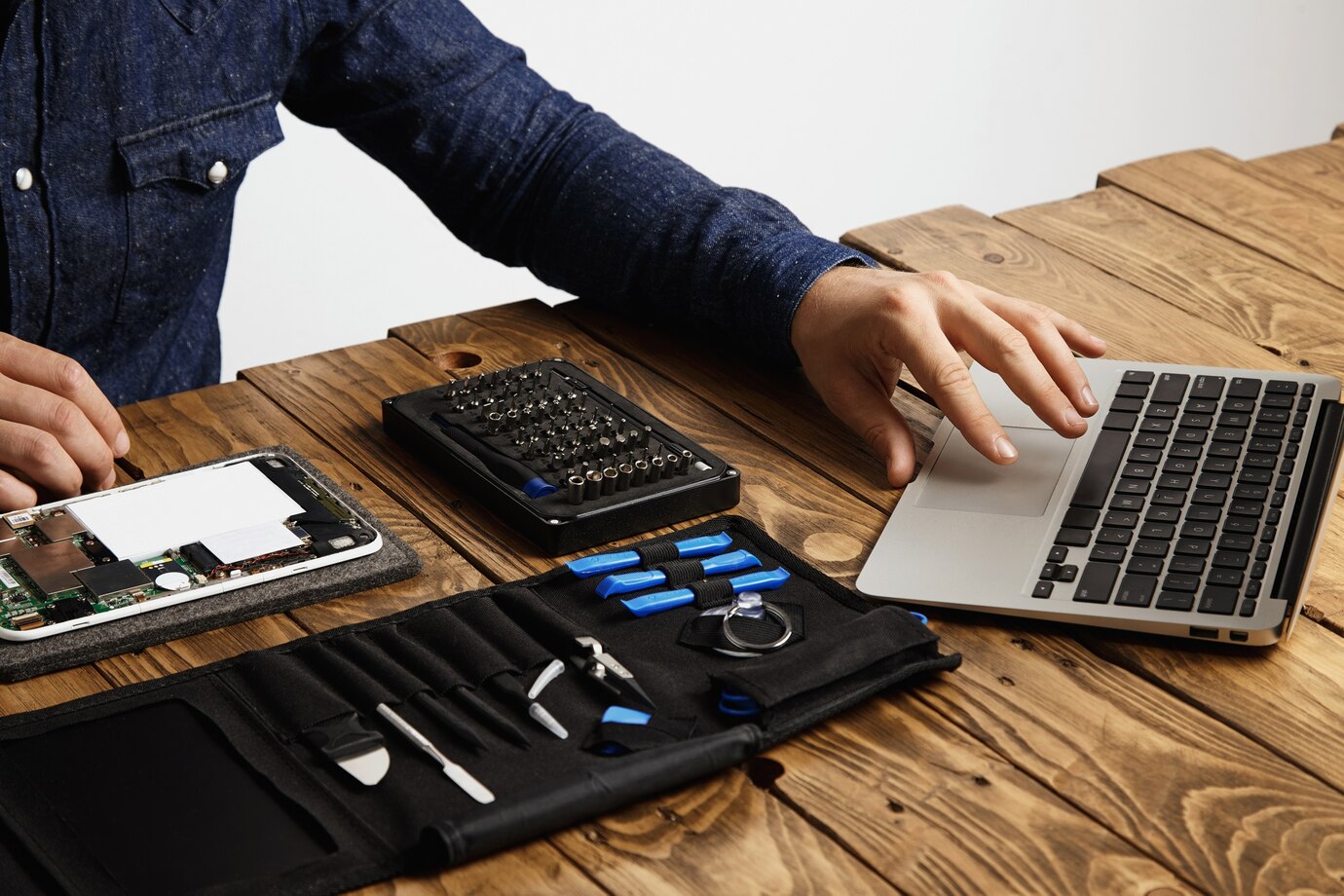
If you’ve followed the steps above and your MacBook is still not functioning correctly, it’s time to consider professional MacBook Pro water damage repair. Experienced technicians can open up your device, clean the internal components, and replace damaged parts if necessary.
What Can a Professional Repair Service Do?
- Thorough Diagnosis: A professional technician can diagnose the full extent of the damage, including hidden issues like corrosion or damaged connectors.
- Component Replacement: To restore your MacBook to working condition, parts like the logic board, battery, or display may need to be replaced.
- Cleaning and Restoration: Water can cause corrosion, which might not be visible immediately. A technician will clean the internal components to prevent further damage.
- Expert Advice: Depending on the severity of the damage, you may receive advice on whether repairing or replacing your MacBook is the better option.
If you’re in New Zealand and looking for trustworthy MacBook repair services, check out 73inc in Auckland. Our skilled technicians are trained to handle various issues, including water damage repair for MacBooks and other common problems.
Conclusion
Water damage is one of the scariest things that can happen to a MacBook, but knowing what to do in the event of a spill can significantly improve your chances of saving your device. The key is to act fast—power off the device, dry it thoroughly, and seek professional help when necessary. While it’s always best to avoid water damage by being mindful of your surroundings, accidents happen. If you do find yourself in this unfortunate situation, don’t hesitate to reach out to a MacBook Pro water damage repair specialist to get your device back in working condition.
Has your MacBook suffered from water damage? Don’t wait for the problem to get worse. Whether it’s a MacBook Pro not turning on or a MacBook Pro battery swelling after a spill, our expert technicians are here to help!. Let us bring your MacBook back to life! Contact us today for a consultation and keep your MacBook running smoothly.
