

The way money moves has changed. Not gradually, not politely, but fast. Cards replaced cash for everyday spending. Mobile wallets slipped into our pockets. Real time transfers turned waiting into a thing of the past. At the center of this shift sits the digital payment ecosystem, a connected web of platforms, networks, rules, and technologies that let people and businesses move value without friction.
Here’s the thing. This ecosystem is not just about paying for coffee with your phone. It shapes how banks design products, how merchants get paid, how governments distribute benefits, and how new financial services reach people who were left out before. If you work in financial services, payments, retail, or tech, understanding how this ecosystem works is table stakes.
This guide breaks down what a digital payment ecosystem really is, who runs it, how it creates value, and where it is heading next. No buzzwords. No fluff. Just the moving parts that matter.
Table of Contents
What is a digital payment ecosystem, really?
A digital payment ecosystem is the full network that makes electronic payments possible. Not one app. Not one provider. The whole chain working together.
At a basic level, it includes:
- Users: people and businesses sending and receiving money
- Merchants: online and physical sellers
- Financial institutions: issuing and acquiring banks
- Payment networks: global rails that move transactions
- Payment processors and gateways: the pipes that connect systems
- Digital wallets and apps: the front door for users
- Identity and security layers: verification, fraud detection, encryption
- Regulations and compliance frameworks: the rules of the game
Every tap, scan, or click sets off a sequence of checks and messages across this network. If any part fails, the payment fails.
This is why the digital payment ecosystem is best understood as infrastructure, not a product. It is the environment in which products live.
The core building blocks
To see how the ecosystem works in practice, it helps to break it into clear layers.
- Front end experiences
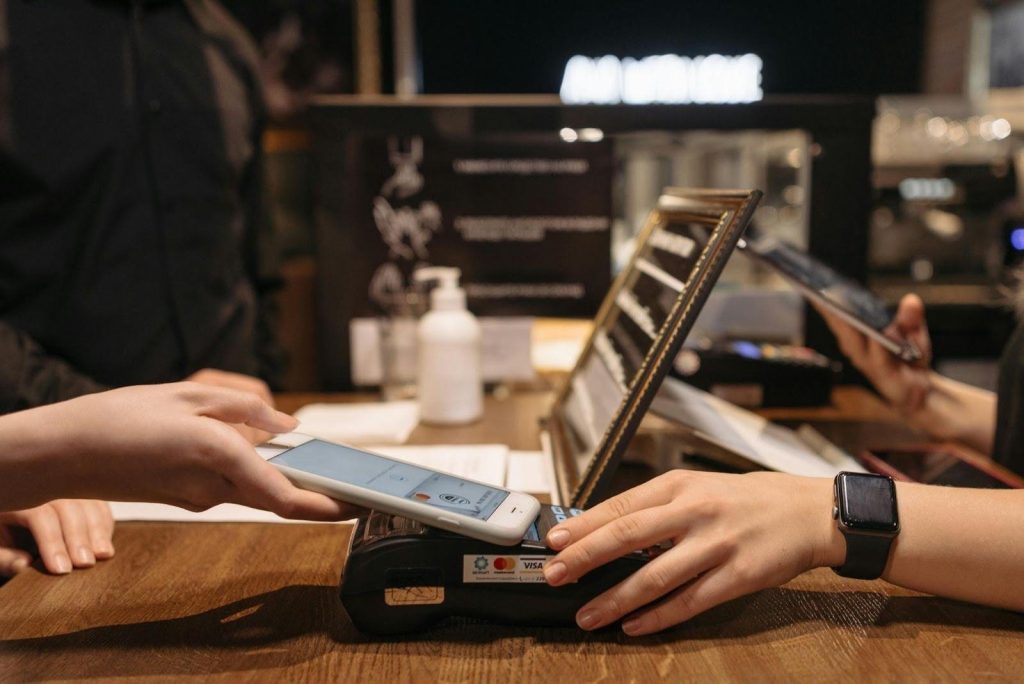
This is what users see. Mobile wallets, banking apps, checkout pages, QR codes, contactless terminals.
Examples with public data and sources:
- Apple Pay lets users pay in stores and apps using their devices. Apple reports that Apple Pay is accepted by more than 90 percent of retailers in the US and is available in dozens of countries.
- Google Pay offers tap to pay and online checkout across Android devices and the web.
These tools shape user expectations. If the experience feels slow or clunky, people abandon it. If it feels simple, they stick around.
- Payment gateways and processors
Gateways pass transaction data from the merchant to the processor. Processors talk to banks and networks to approve or decline the payment.
A real world example:
- Stripe supports online payments for businesses around the world and reported processing more than one trillion dollars in total payment volume in 2023.
This layer is where reliability and scale really matter. Downtime here means lost revenue.
- Payment networks
These are the rails. They route transactions across institutions and countries.
- Visa processes tens of billions of transactions per year across more than 200 countries and territories.
- Mastercard operates a global network connecting banks, merchants, and consumers.
Without these networks, global card payments simply do not work.
- Financial institutions
Issuing banks provide accounts and cards to users. Acquiring banks serve merchants. They handle settlement, risk, and compliance.
Banks still anchor the ecosystem, even as fintechs reshape the edges.
- Identity, security, and compliance
No trust, no payments. Identity verification, authentication, and fraud prevention sit at the heart of every digital payment ecosystem.
Real examples:
- Biometric authentication is now common in mobile banking and wallets.
- Tokenization replaces sensitive card data with secure tokens.
Regulatory frameworks like PSD2 in Europe also shape how data flows between players.
Who are the main players?
The digital payment ecosystem brings together very different actors.
- Traditional banks
- Payment networks
- Fintech companies
- Big tech platforms
- Merchants
- Regulators
Some well known examples:
- PayPal reports more than 400 million active consumer and merchant accounts worldwide.
- M Pesa, operated by Safaricom, transformed mobile payments in Kenya and across Africa, with tens of millions of users and hundreds of billions of dollars in transaction volume annually.
These players do not compete in isolation. They depend on each other. That dependency is what makes the ecosystem powerful and complex at the same time.
Why the digital payment ecosystem matters to banks and fintechs
Payments used to be plumbing. Necessary, but invisible. Now they are a strategic layer.
Here’s why.
Payments shape customer trust
People forgive many things. Failed payments are not one of them. Reliability, speed, and security define how customers judge financial brands.
Payments drive product adoption
Onboarding flows, digital account opening, and payment activation now happen together. If users can open an account and pay in minutes, adoption spikes. If they hit friction, they leave.
Payments unlock data
Each transaction creates data. Patterns reveal spending habits, risk signals, and cross sell opportunities. Used well, this data improves personalization and fraud prevention.
Payments expand reach
A strong digital payment ecosystem helps financial institutions reach new segments. Community banks, credit unions, and large institutions all benefit from wider access to digital channels.
This is where platform thinking comes in. Modular, extensible systems make it easier to connect new payment rails, wallets, and partners without rebuilding everything from scratch.
What’s pushing the ecosystem forward?
Several forces are reshaping how digital payments evolve.
Real time payments
Systems like India’s UPI show what happens when payments move at internet speed.
- India’s Unified Payments Interface (UPI) handled more than 100 billion transactions in 2023, according to the National Payments Corporation of India.
Real time payments change user expectations everywhere. Waiting days for transfers now feels outdated.
Embedded payments
Payments are disappearing into apps people already use. Ride hailing, food delivery, marketplaces, and social platforms all embed payments directly into the experience.
- WeChat Pay integrates payments into messaging, shopping, and services within WeChat.
The digital payment ecosystem increasingly lives inside everyday tools.
Open banking and APIs
Open banking lets third parties connect to bank systems with user consent. This fuels new services and competition.
In the UK, open banking adoption continues to grow, with millions of users and businesses connected to bank APIs.
APIs make the ecosystem more modular. They lower the cost of innovation.
Fraud and security arms race
As digital payments grow, so does fraud. AI driven fraud detection is now standard practice. The ecosystem evolves through constant pressure from attackers and defenders.
Where things still break
The digital payment ecosystem is powerful, but not perfect.
Fragmentation
Different countries use different rails, standards, and rules. Cross border payments remain slow and expensive compared to domestic ones.
Interoperability gaps
Not all wallets work with all merchants. Not all banks connect easily to all fintechs. Gaps in integration slow adoption.
Infrastructure limits
In some regions, unreliable connectivity and limited smartphone access still block full participation.
Regulatory complexity
Compliance varies widely by market. What works in one country may require major changes in another.
These limits explain why platform approaches that support modular integration and extensibility matter so much. The ecosystem is never finished. It is always under construction.

What a healthy digital payment ecosystem looks like
Strong ecosystems share a few traits:
- Open integration with third party services
- Scalable infrastructure that handles peaks without breaking
- Bank grade security that protects data and funds
- Modular design that supports new use cases over time
- Clear governance for compliance and risk
This kind of setup helps institutions move faster without sacrificing control. It also supports digital onboarding, account opening, and new payment flows without long development cycles.
How businesses can engage the ecosystem
Whether you are a financial institution, a fintech, or a merchant, the same principles apply.
- Map your current payment flows
- Identify where friction lives
- Look for integration points with wallets, networks, and processors
- Design for change, not for one fixed setup
- Treat security and identity as core features, not add ons
Small improvements compound. Faster checkout increases conversion. Better onboarding increases activation. Reliable payments reduce churn.
What’s next for the digital payment ecosystem
The next phase will likely bring:
- Wider use of real time and instant payments across borders
- Deeper embedding of payments into non financial apps
- More automation in fraud prevention
- Continued push toward open, API driven architectures
- Growing focus on user centric design in financial experiences
The ecosystem will keep expanding. New rails will appear. Old ones will adapt or fade. What will not change is the central role of payments in how digital finance works.
