
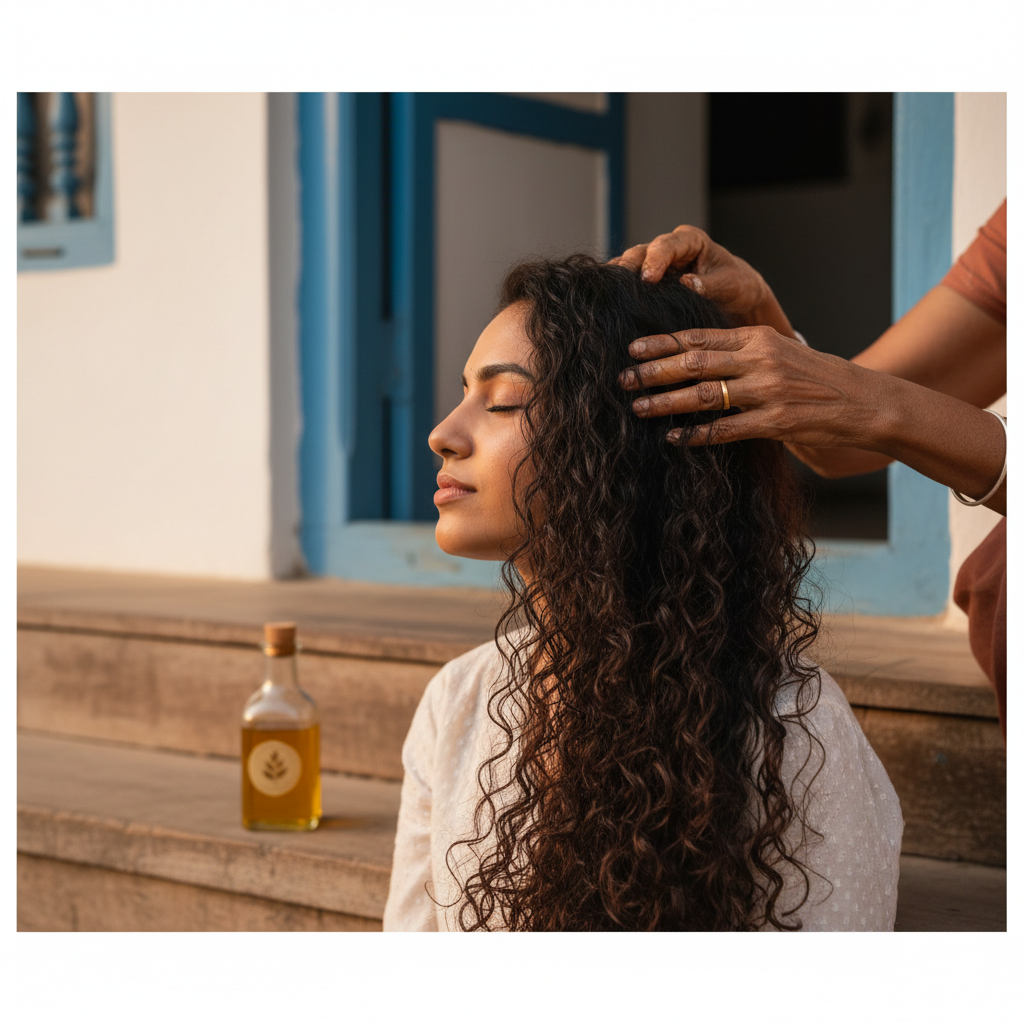
Oiling has been a tradition in many cultures for centuries. It is a part of normal beauty routines for men and women. This ancient tradition has transcended the boundaries of time and generations. For many, regular use of hair oil is an experience that is associated with memories, good scalp health, and shinier and longer hair.
Importance Of Hair Oiling
Oils are a part of hair care products. Many researches have confirmed the benefits of oiling the hair. The hair is made up of keratin protein and covered with a layer of scales also known as cuticles. Ideally, a healthy hair strand retains moisture and has smooth cuticles. This gives shine and lushness to the mane.
In reality, the hair faces the brunt of sun rays, heat styling, chemical hair products, and other environmentally damaging elements, which causes the cuticles to open. This causes dryness, split ends, and other issues. This is where the simple technique of hair oiling comes to the rescue.
Hair oil smooths down the cuticles and also acts as a protective layer on the hair strand. It not only adds lustre but also minimizes breakouts and scalp irritation. Hair oiling is a relaxing and therapeutic ritual for hair.
Hair oiling is an art. Mastering the technique of using the hair oil correctly helps get its maximum benefits. Here is your brief Go-To Guide.
Dos And Don’ts For Strong, Shiny, Healthy Hair
Dos
- Know your scalp
Before you reach for the bottle of oil, understand what your hair is telling you. Hair care products work best when they are tailored to your scalp and hair types. For example, if you have dry hair, then oiling generously will help.
- Pick the right hair oil
Remember your grandma mixing ingredients in the traditional coconut oil? It was to solve your hair concerns. Rosemary and bhringraj are good for hair fall; tea tree, neem, and curry leaves are dandruff -fighting heroes; and a combination of Moroccan argan and coconut oil will benefit dry and brittle hair. Onion seed hair oil is good for protecting hair from environmental damage and hair growth.
- Use the right amount
Take the amount of hair oil that suits your hair length. The purpose of hair oil is to coat from root to tips and not oversaturate your scalp.
- Warm the oil
Slightly warm the oil for 20-30 seconds. It ensures maximum absorption in the inner layers of hair. The oil should be only lukewarm to touch and not hot.
- Apply on scalp and hair length and massage gently
Divide your hair into sections. Dip your fingertips in the oil and spread it from the scalp to the tips of the hair. Then massage the scalp in circular motions to increase blood circulation and boost nutrient absorption by the hair follicles. This helps improve hair growth and health. To make massaging more effective, keep your head down as you massage. This will ensure better blood flow to the scalp.
- Leave it on for few hours
After applying hair oil, leave it on for a few hours to let the benefits work in. If you have dry hair, then leave the hair oil on overnight, but if your hair are already oily, then 30 minutes should suffice. Pay attention to how your scalp and hair react to the oil.
- Rinse well
Use a good clarifying, sulfate-free shampoo to make sure all of the oil is washed out. And yes, you will still need a conditioner.
Don’ts
- Don’t use too much oil
Too much oil causes the scalp pores to clog. Also, too much oil is hard to wash out and can weigh the hair down.
- Avoid using hot water to wash out the oil
Hot water can remove the natural oils from hair and cause more dryness and damage. Use lukewarm water and shampoo the oil out before using other hair care products.
- Never leave the oil for too long
Daily oiling is not necessary. Oil your hair 1-2 times a week. Leaving the oil can attract dust and dirt and clog the cuticles.
- Avoid using rough cloth towels on oiled hair
Pre-and post-washing the hair, use a soft towel to gently soak the extra water and reduce friction.
- Don’t tie your hair too tightly after oiling
Oiled hair stretches easily; therefore, avoid using tight ponytails or a clutch in the hair. Tension in oiled hair leads to hair thinning and damage in long-term.
Conclusion
Oiling the hair correctly using the right hair care products is the way to achieve healthier hair. Hair care is a part of self-care, and it starts with understanding your hair’s needs.
Using hair oils is a time-honoured tradition, and if you do it correctly, you can go from dull, brittle hair to lush, shiny, and voluminous hair. It is not an overnight miracle; you need patience to reap the benefits. The best results will come when you are consistent with the routine and use only the best products for your hair.
