
In recent years, fuel efficiency has become a major concern for car owners for a good reason. First, many car owners today know the impact of their cars on the environment and are doing their best to reduce emissions. Others desire to spend less on gas to save money and achieve their financial goals.
Basic strategies like avoiding aggressive driving and timely service can improve fuel efficiency, but there are other factors that many car owners do not know about. Many factors increase fuel consumption unnecessarily and should never be ignored. Here is why fuel efficiency reduces and how to fix the problem.
Underinflated Tires
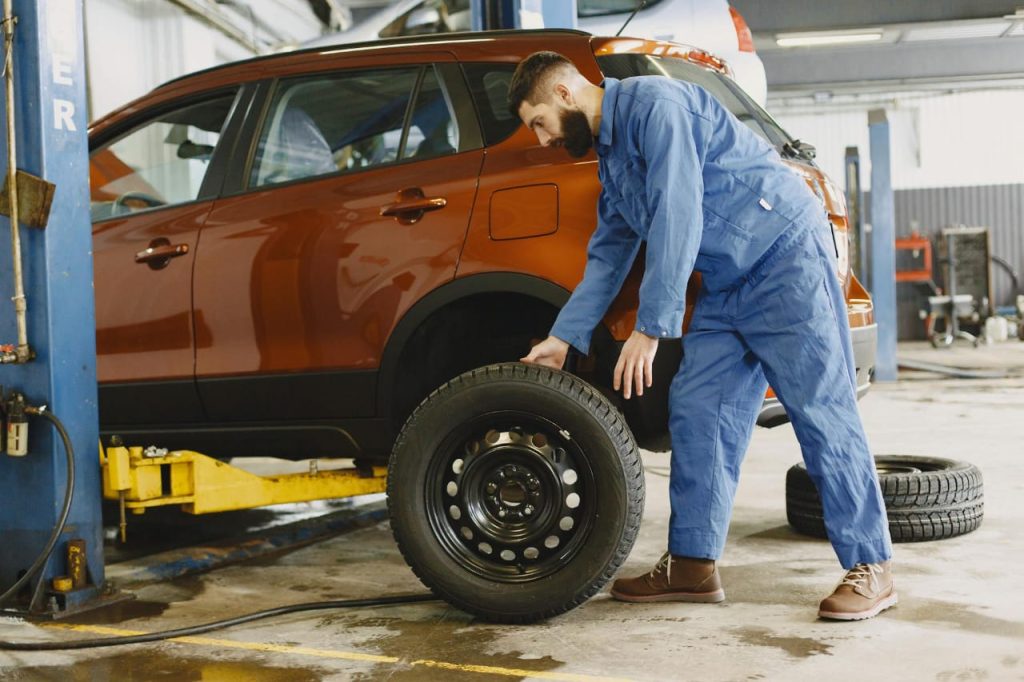
Some car owners probably assume that underinflated tires only affect their driving comfort, but that is not the only problem. When tires are deflated, fuel efficiency reduces too. The car’s fuel economy reduces by about 0.2 % for every one psi drop. While this may not sound like much at first, it adds up over time, especially when covering long distances.
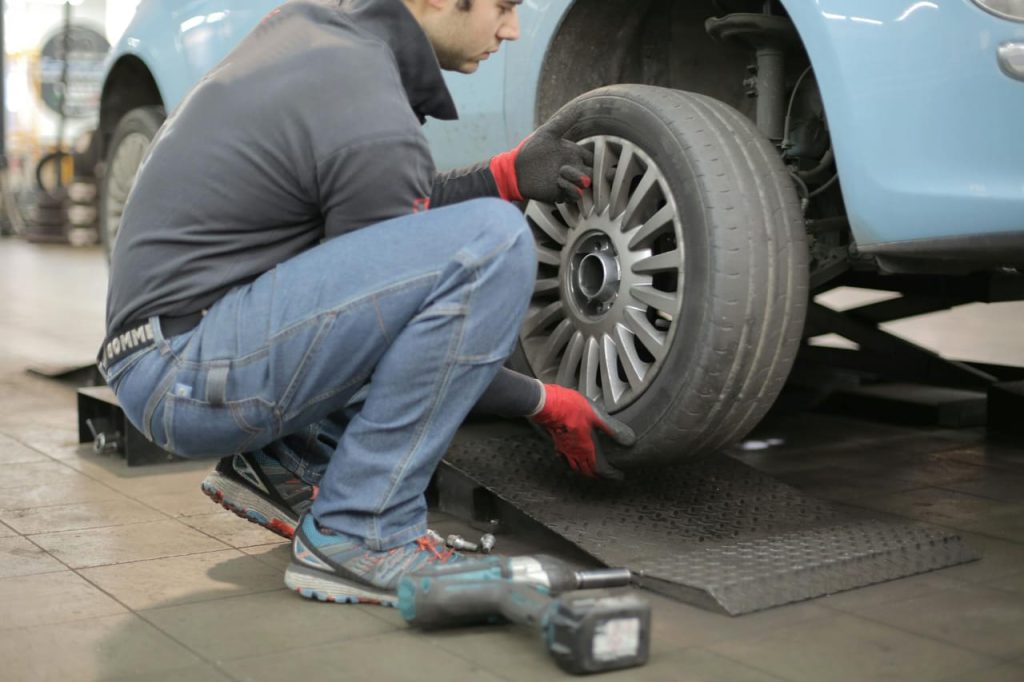
Car owners and drivers should always keep their tires properly inflated. They should check the pressure regularly with a reliable gauge and inflate them. Car owners should also seek auto repair in Saginaw, MI when the tires are worn out or the wheels are misaligned. These auto repair shops offer wheel balancing, tire rotation, puncture repair, and can solve other mechanical problems to improve fuel efficiency.
Remember that tire pressure is best tested when the tires are cold because driving causes the pressure to increase, so one may not get an accurate reading when it is too hot. The spare tire should be checked too.
Unnecessary Idling
Some car owners do not like being caught in traffic or waiting in a long drive-through line with the engine running. They usually only worry about the time spent, but forget how excessive idling drains the fuel. After all, the engine is running, but the car is not moving, which means it is still burning fuel.
Drivers should turn off their engines each time they anticipate stopping for about a minute. Those using the latest car models with auto start-stop technology save more fuel since the car slows or stops the engine when it is not moving.
Clogged Fuel Injectors
Fuel injectors are designed to ensure the engine gets fuel in a controlled and precise manner to ensure efficient combustion. However, the injectors cannot work effectively when they become dirty and clogged, which reduces fuel economy. Sometimes, the poorly maintained fuel injectors cause rough idling or misfire, increasing fuel consumption and posing a risk of damage.
It is advisable to use a fuel injector cleaner occasionally to remove all the dirt. The cleaners help to remove the built-up carbon deposits and restore the standard injectors’ performance. Experts also recommend using high-quality gas and ensuring that the tank does not run too low, which can cause sediments to get drawn into the system.
Poor Aerodynamics
A car’s aerodynamics can affect fuel efficiency. A more aerodynamic vehicle faces less resistance while driving. This means the engines do not have to overwork to maintain the speed. However, if aerodynamic aspects are affected, a vehicle might consume more fuel to overcome the drag.
Several solutions can improve aerodynamics, like adding a rear spoiler or front air dam, lowering the car’s height, and keeping the sunroof and windows closed when driving at high speeds. Even minor changes like getting rid of unused external accessories and keeping the vehicle waxed and clean reduce drag, improving fuel efficiency.
Many factors affect a vehicle’s fuel efficiency, so every vehicle owner should know all these overlooked factors and how to fix the problem. With extra attention and care, drivers can spend less on fuel and minimize environmental impact. Car owners should also consult their mechanic for specific tips unique to their vehicle.
