
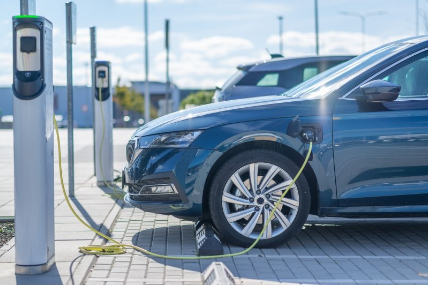
Electric Vehicles (EVs) are quickly becoming a dominant force in the transportation sector. With advancements in technology and increasing environmental concerns, the shift from traditional gasoline-powered vehicles to electric ones is gaining momentum.
Transitioning to EVs not only signifies a change in the automotive industry but also presents an opportunity for enthusiasts. Whether looking at a Tesla or a Harley Davidson for sale, the allure of electric power cannot be ignored.
Table of Contents
The Rise of Electric Vehicles
Early adopters of EVs are not simply following a trend but are becoming part of a global movement toward sustainable transportation solutions. The adoption of electric vehicles is not confined to private users alone.
Governments and organizations globally are investing in EV technology to reduce their carbon footprint and enhance sustainability. This shift is increasingly evident in the urban landscape, where cities redesign transportation systems to incorporate more electric options.
Efforts to curb urban pollution are a driving force behind this adoption. EVs are now seen as an environmentally friendly alternative and a symbol of modern, progressive urban development.
Benefits of Electric Vehicles
Electric vehicles provide many advantages, such as decreased emissions, decreased operational expenses, and improved performance. They offer a more environmentally friendly option compared to combustion engines, which helps enhance the quality of air and reduce noise pollution. One of the main advantages is the ease of home charging, along with the growing number of public charging stations.
Moreover, electric cars generally have a reduced number of components in comparison to traditional engines, resulting in lower maintenance expenses. Another notable benefit is the efficiency of electric vehicles. Electric motors offer immediate torque, leading to rapid acceleration and a seamless driving experience.
This not only increases the efficiency of EVs but also enhances the pleasure of driving them. Additionally, electric cars can be combined with sustainable energy sources like solar and wind power, increasing their eco-friendliness. The advantages go further than just the users themselves to the overall society, with decreased pollution and noise levels significantly improving urban living conditions.
Environmental Impact
The benefits of electric vehicles (EVs) to the environment are among their most significant advantages. When compared to traditional vehicles, they drastically cut greenhouse gas emissions by relying on electricity, which is often supplied by renewable energy. The Environmental Protection Agency claims that carbon emissions from electric vehicles can be cut by up to 50%. In the worldwide effort to tackle pollution and climate change, this reduction is essential. By using electric vehicles instead of fossil fuels, the carbon footprint is reduced overall.
Additionally, electric vehicles produce zero tailpipe emissions, which directly improves air quality, especially in densely populated urban areas. This reduction in harmful gases like nitrogen oxides and particulate matter can have a profound impact on public health, potentially reducing the incidence of respiratory illnesses. The shift to EVs also encourages the development and adoption of cleaner energy sources, as more electricity demands lead to innovations in renewable energy production.
Cost Efficiency and Savings
While the initial cost of EVs might be higher, their long-term savings make them a more economical choice. Lower maintenance and fuel costs contribute significantly to these savings. Many consumers realize substantial savings over the lifespan of their EVs.
Furthermore, with gas prices continually on the rise, the cost efficiency of EVs becomes even more apparent. Electric vehicles tend to have fewer parts that can wear out, such as spark plugs, timing belts, and oil filters, thus reducing the frequency and expense of repairs.
Moreover, the cost of electricity is generally cheaper compared to gasoline. Charging an electric vehicle can cost a fraction of what it would take to fill a gasoline tank. Many areas also offer special electricity rates for EV owners, further decreasing costs. Insurance rates for EVs can also be lower, as they often include advanced safety features and lower overall risk. All these factors contribute to making electric vehicles a financially intelligent choice for many consumers.
Technological Advances in EVs
The automotive industry is witnessing unprecedented technological advancements in EVs. From improved battery life and faster charging times to self-driving capabilities, these innovations are making electric vehicles more accessible and desirable. For instance, companies like Tesla are pioneering autonomous driving technologies, offering a glimpse into the future of transportation.
Battery technology, in particular, has seen significant improvements, with longer-range batteries becoming more common. These advancements are not just limited to the vehicles themselves. Infrastructure developments, such as the expansion of charging networks and the integration of innovative grid technologies, are also playing a crucial role.
Wireless charging and vehicle-to-grid capabilities are innovations that are expected to become mainstream, making the use of electric vehicles even more convenient. These technological strides are transforming the EV market, making it more appealing to a broader audience and accelerating the shift away from fossil fuels.
Government Incentives and Policies
Governments around the world are championing the adoption of electric vehicles through various incentives and policies. These include tax credits, rebates, and infrastructure investments to support a sustainable future. For example, an article from the New York Times highlights the various incentives offered in the U.S.
With supportive policies, the transition to electricity can be more seamless and attractive to a broader audience. Many governments are also investing in the development of charging infrastructure to ensure that electric vehicle owners have convenient access to charging facilities.
This is crucial for alleviating range anxiety, one of the significant barriers to EV adoption. Legislation aimed at reducing emissions is also pushing automotive manufacturers to innovate in the EV space. These combined efforts are crucial for accelerating the transition to electric mobility and achieving global climate goals.
The Future of Urban Transport
The future of city transportation appears bright as electric vehicles continue to be embraced. Cities are more and more using EVs to address pollution and offer efficient, sustainable transportation options. With the advancement of technology and increasing support from consumers, electric vehicles are on track to transform transportation in cities. From electric buses to shared electric scooters, the urban environment is being transformed for a more environmentally friendly future.
Conclusion
Incorporating EVs into public transportation systems is a significant move in the direction of creating more sustainable cities. Electric buses and taxis help decrease city emissions and create a quieter, more enjoyable atmosphere. Furthermore, encouraging the adoption of electric scooters and bicycles for short journeys can help alleviate traffic congestion and further lower emissions. Electric urban transport is the future, offering a significant change in how we move around cities.
