
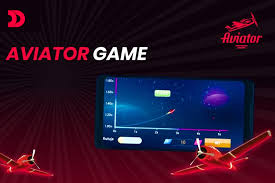
Aviator does not give you time to settle in. The moment the round begins, the multiplier climbs, the small plane starts its path upward, and the whole screen feels alive. It looks simple at first, almost too simple, but that’s the trick. Beneath it sits a layout that pushes you to react without overthinking. The screen nudges you forward in small ways, helping your eyes land where they need to. That is why the game pulls you in so quickly. The design moves with you, building its own quiet rhythm and tension from the very first moment.
Table of Contents
Why Clarity Matters More Than Anything
Aviator strips the screen down to only what matters. The multiplier sits large and centred. The flight path is clean. The cash out button feels close enough to hit without searching for it. Nothing competes for attention. That absence of clutter is one of the reasons the game moves so fast.
Players do not need to think about where their eyes should go. The screen makes that decision for them. The most important element in Aviator always sits in front. The secondary elements stay organised below. Chat, recent wins and statistics are there, but they never interfere with the heartbeat of the round. It creates a space where action feels instinctive, not forced.
Timing, Motion and the Pressure of Each Second
The little plane is more than an animation. It is a timer, a visual pulse that shows how quickly a round can shift. As the multiplier climbs, the motion speeds up just enough to signal tension without overwhelming the player. It is a simple idea, but it drives the entire experience.
The designers understood that motion can carry emotion. A quiet rise creates calm. A faster climb creates urgency. The moment you feel that shift, your hand reacts before your mind fully catches up. That is why rounds feel so short even when they last only a few seconds.
Platforms like Betway use this flow to create a steady loop. Every round feels fresh because the motion resets instantly. There is no waiting, no dragging. The screen breathes in small cycles, always ready for the next click.
Buttons Built for Instinct, Not Thought
It might seem small, but the layout of the cash out button is one of the game’s smartest decisions. It is large enough to hit quickly, placed exactly where the eye drops after watching the multiplier, and coloured in a way that stands out without breaking the aesthetic.
Aviator is built around reaction. If the button sat in a corner or blended into the screen, the whole experience would feel slower. Good UI design removes friction. Great UI design makes speed feel natural. Aviator does both.
The Balance Between Action and Calm
Even in a fast game, the UI gives players a second of quiet between rounds. The screen resets, numbers settle, and the pressure fades just long enough for the next round to feel new. This pacing is intentional. It keeps the energy high without exhausting the player.
Design That Understands Human Rhythm
Aviator works because the interface respects how people react under pressure. It guides the eye, simplifies the choices, and lets motion build the emotion. There is no noise, no confusion, no unnecessary steps. Everything on the screen serves the moment.
That is why the game stays popular. It feels fast, clean and alive, not because it moves quickly, but because the design allows players to move with it.
