
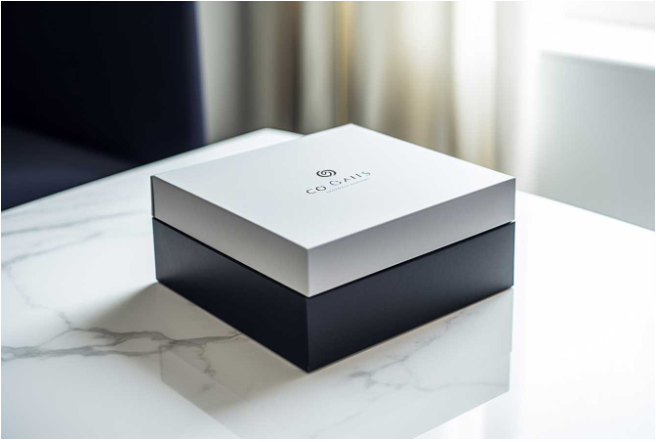
Custom cosmetic box design attracts customers through a strategic blend of visual elements and materials. A minimalist design conveys sophistication, while bold graphics engage playful demographics. Advanced printing and unique finishes like matte or gloss elevate luxury appeal. Curvilinear shapes and innovative structures enhance functionality and offer memorable unboxing experiences.
Eco-friendly materials resonate with sustainability-conscious consumers, building brand trust. Colors play a crucial role in evoking emotions and shaping perceptions; vibrant hues can suggest excitement or serenity. A thoughtfully crafted design guarantees regulatory compliance, clear storytelling, and strong brand identity, all essential in capturing and retaining customer interest. Discover more about these critical design elements ahead.
Table of Contents
Main Points
- Color Psychology: Strategic use of colors like red for excitement and blue for trust influences consumer emotions and buying decisions.
- Engaging Graphics: Eye-catching imagery and graphics on packaging evoke emotional responses and enhance brand storytelling.
- Advanced Printing Techniques: High-quality printing methods like UV and offset printing boost visual appeal and perceived value.
- Innovative Structural Designs: Unique shapes and memorable unboxing experiences differentiate products and attract attention.
- Eco-Friendly Materials: Using sustainable and biodegradable packaging materials aligns with consumer preferences for environmentally responsible brands.
Importance of Packaging
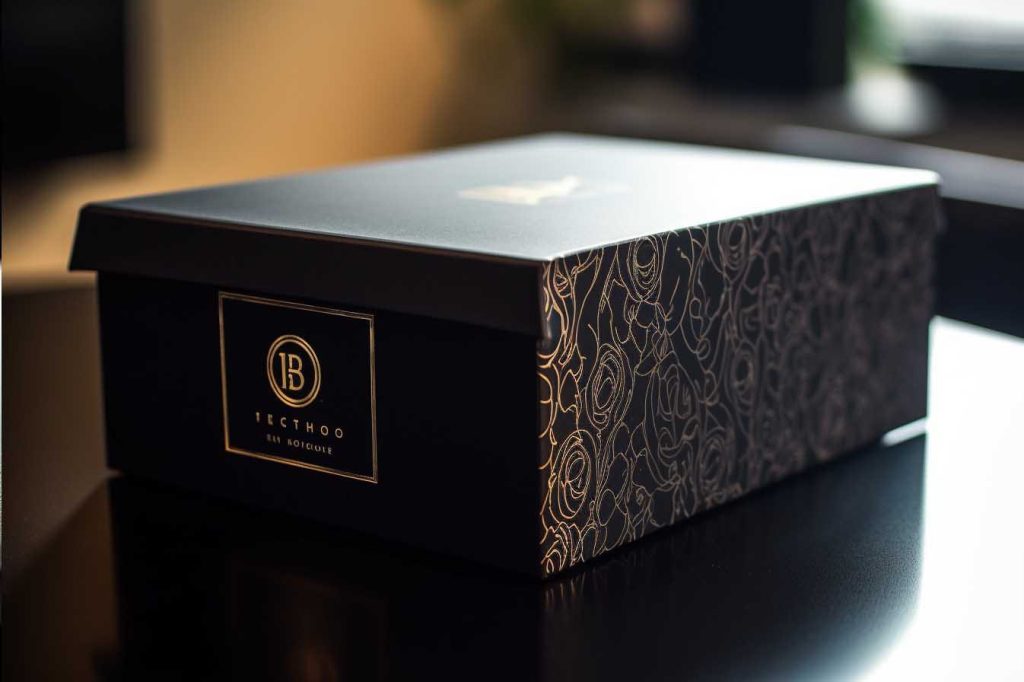
Packaging serves as the initial touchpoint between customers and products, deeply shaping their perceptions and influencing purchasing decisions. In an increasingly competitive market, the importance of effective packaging cannot be overstated.
It acts as a silent salesman, communicating a brand’s identity, values, and unique selling propositions. Market trends reveal a strong correlation between packaging design and consumer behavior, where the right packaging can make a product stand out on crowded shelves.
Minimalist designs, for instance, are in vogue and often suggest purity and sophistication, resonating with consumers seeking elegance and simplicity. Conversely, bold and vibrant packaging can enchant a playful demographic, demonstrating the critical role of aligning design with target audience preferences.
Moreover, engaging and enchanting packaging considerably impacts consumer attention, fostering brand loyalty and encouraging repeated purchases. As packaging trends evolve, it becomes clear that brands must stay attuned to consumer preferences and market shifts to maintain relevance and appeal.
Customization Options
Building on the significance of packaging, the array of customization options available for cosmetic box design empowers brands to create distinctive and memorable consumer experiences. By leveraging various material selection, design trends, and innovative techniques, brands can elevate their products’ appeal and functionality.
One of the most impactful customization options is the use of eco-friendly materials. Utilizing recycled cardboard, for instance, not only aligns with sustainable practices but also appeals to environmentally conscious consumers.
Advanced printing techniques, such as offset and UV printing, enhance the visual appeal of packaging, making designs more vibrant and eye-catching.
Further, the choice of finishes can greatly affect how consumers perceive the product. Options like matte, gloss, and soft-touch finishes can add a layer of sophistication and luxury.
Tailored structural designs, including unique shapes and sizes, not only improve functionality but also create a memorable unboxing experience, leaving a lasting impression on consumers.
To summarize, effective customization options encompass:
- Eco-friendly materials like recycled cardboard
- Advanced printing techniques such as offset and UV printing
- Luxurious finishes including matte, gloss, and soft-touch
- Unique structural designs that enhance functionality and unboxing
- Alignment with brand aesthetics and product specifications for a cohesive message
Brand Storytelling
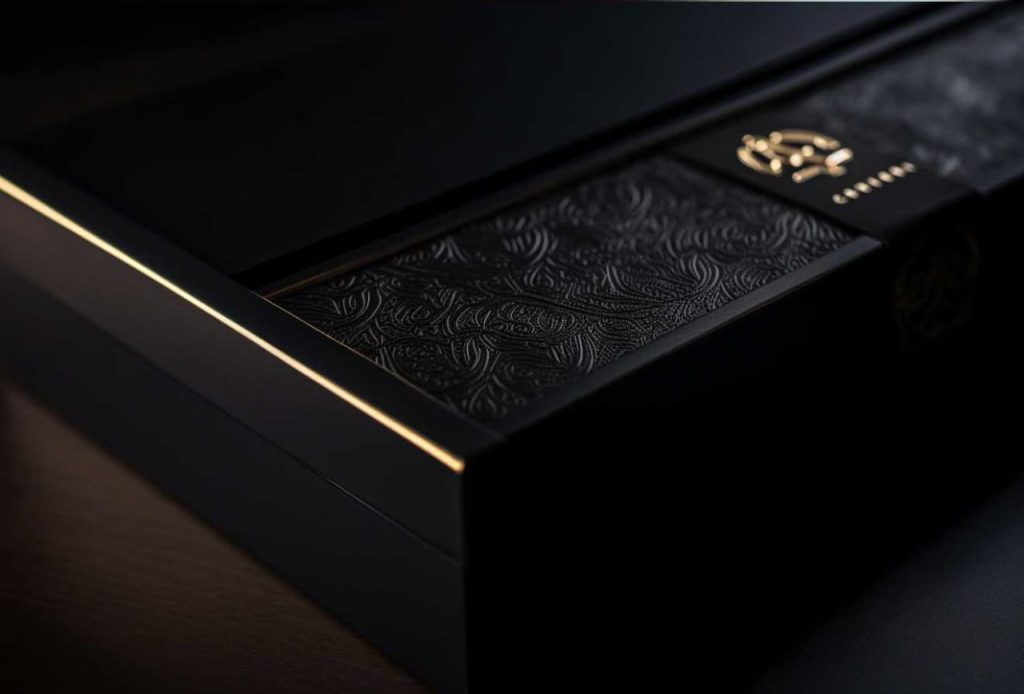
Effective brand storytelling through cosmetic box design captivates consumers by weaving a compelling narrative that reflects the brand’s values, mission, and unique identity.
Packaging serves as a powerful medium for conveying these stories, utilizing graphics and imagery that evoke emotions and resonate with the target audience. Establishing an emotional connection is paramount, as it transforms a simple product into a meaningful experience.
Interactive features such as QR codes and augmented reality experiences can greatly enhance consumer engagement. These elements provide deeper insights into the brand’s narrative and product benefits, creating a multi-dimensional story that consumers can explore.
Narrative consistency across all packaging elements guarantees that every interaction reinforces the brand’s message, solidifying consumer trust and loyalty.
Creative packaging designs that clearly communicate ingredients and usage instructions contribute to an authentic brand story. This transparency builds trust and allows consumers to feel more connected to the product and the brand behind it.
Transformative packaging that offers immersive experiences can greatly strengthen brand loyalty, fostering a memorable relationship with consumers.
Eco-Friendly Practices
As consumers increasingly seek not only compelling brand narratives but also ethical and sustainable practices, eco-friendly cosmetic box design has emerged as an essential component in aligning brand stories with environmental values. By leveraging sustainable materials such as recycled cardboard, brands can greatly reduce their environmental footprint. This shift not only caters to the growing demand for environmentally conscious products but also enhances brand reputation by showcasing a commitment to sustainability.
Brands adopting minimalistic and reusable packaging designs are promoting responsible consumption, encouraging customers to repurpose packaging rather than discard it. Additionally, the integration of biodegradable or compostable materials further solidifies a brand’s eco-friendly stance, making it more attractive to environmentally conscious consumers.
Consumer education plays a pivotal role in these efforts. Informing customers about proper disposal and recycling practices not only contributes to broader sustainability goals but also reinforces the brand’s commitment to eco-friendly practices.
- Utilize recycled cardboard and other sustainable materials.
- Adopt minimalistic and reusable packaging designs.
- Incorporate biodegradable or compostable materials.
- Educate consumers on proper disposal and recycling practices.
- Leverage eco-conscious packaging for competitive advantage.
Embracing these practices can lead to a competitive edge, as studies indicate that 66% of consumers are willing to pay more for sustainable products.
Regulatory Compliance
Guaranteeing regulatory compliance in cosmetic box design is paramount for safeguarding consumer trust and mitigating legal risks. Adherence to stringent labeling requirements and safety standards is not merely a legal obligation but a strategic imperative for brands seeking to establish market credibility.
Proper material selection is critical, as it must meet safety standards that prevent contamination and guarantee product integrity. Equally essential is the accuracy and thoroughness of product labeling, which informs consumers about ingredients, usage instructions, and potential allergens.
Collaborating with packaging experts is a prudent approach to maneuvering the labyrinth of regulations governing the cosmetic industry. These specialists can ascertain that packaging dimensions and tamper-evident features are compliant with the mandates of governing bodies, thereby enhancing both product security and consumer confidence.
Failure to meet these regulatory guidelines can lead to severe consequences, such as costly recalls and irreparable damage to brand reputation. Secure closures and tamper-evident seals not only fulfill safety standards but also add an extra layer of trust, assuring consumers that the product they purchase is both safe and authentic.
Ultimately, meticulous attention to regulatory compliance is a key driver in building lasting consumer loyalty and achieving sustained market success.
Color Psychology
Frequently overlooked yet profoundly impactful, color psychology is a critical element in custom cosmetic box design, shaping consumer perceptions and driving purchasing behavior. Vibrant colors such as red, yellow, green, and pink are not just visually arresting; they can greatly influence consumer attention and decision-making processes. This makes understanding color associations and emotional responses paramount for any brand seeking to establish a compelling market presence.
Smart color choices can evoke specific emotional responses that align with a brand’s messaging. For instance, red often symbolizes excitement and passion, making it ideal for bold, adventurous brands. Conversely, blue is frequently associated with trust and reliability, appealing to consumers seeking dependable products. The strategic use of these colors can create positive emotional associations, thereby enhancing overall consumer engagement.
Consistent use of particular colors reinforces brand recognition and loyalty. When consumers can easily identify and recall a brand based on its color scheme, it stands a better chance of capturing and retaining market share. Unique and distinct color combinations, emphasized by the isolation effect, can make products stand out on crowded shelves, boosting visibility and sales.
- Red: Excitement, passion
- Blue: Trust, reliability
- Yellow: Happiness, optimism
- Green: Freshness, serenity
- Pink: Femininity, warmth
Structure and Shape
The structure and shape of cosmetic boxes play an essential role in not only attracting consumer attention but also in conveying brand identity and enhancing the overall user experience.
In a crowded market, unique package shapes can serve as powerful differentiators. Curvilinear designs, for instance, are often perceived as more attractive than their angular counterparts, leveraging shape psychology to enhance consumer appeal. These distinctive shapes evoke emotional responses that can greatly influence purchase decisions, with nostalgic or organic forms reinforcing positive brand associations.
Selecting the appropriate shape is vital for aligning with product messaging. Circular shapes may suggest natural or holistic products, fostering a connection with eco-conscious consumers, while square shapes imply stability and reliability, appealing to those seeking dependability. Contextual messaging through shape, such as employing playful forms for fun and vibrant products, can deepen emotional connections with consumers and bolster brand recognition.
Structural innovation in packaging design not only enhances functionality but also creates memorable unboxing experiences. Innovative designs that surprise and delight customers can greatly improve customer satisfaction and loyalty.
Investing in thoughtful structural and shape design is essential for brands aiming to make a lasting impression in the competitive cosmetics market.
