
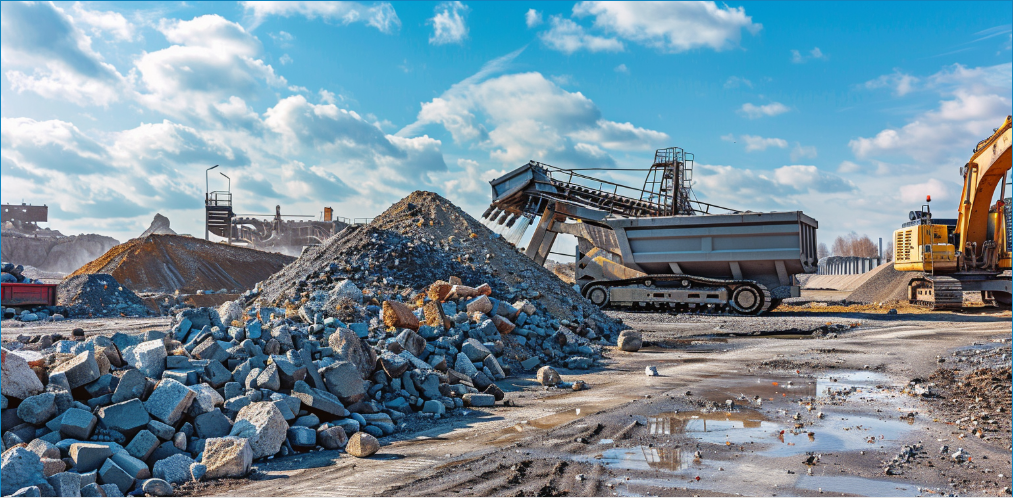
The construction industry relies heavily on old methods like grinding and sifting to reduce waste. But with the world raising the alarm about the environment, we need new, advanced methods. We’re pushing past just recycling by looking into fresh techniques for waste reduction like Komplet Kompatto 221. These are becoming key not just when we build but also when we tear things down.
It’s time for construction to change, opting for green solutions that fit into complete waste management plans. Considering the massive waste output every year, builders are at the front line of protecting the planet. They are crucial for cutting waste and saving our environment.
Table of Contents
Why is Reducing Construction Waste Important?
Reducing material waste in construction is key for the environment and the economy. The construction industry creates a lot of waste, which strains our waste systems and ramps up costs, pointing to the need for best practices for reducing. By using fewer materials effectively, sites can save money and work better.
Benefits of Reducing Waste on Construction Sites
Less waste means more money saved. When a project creates less trash, it spends less on getting rid of it. This is good for the bottom line. Reusing what can still be used is also good for the Earth.
Companies that are green stand out more to customers who care about the planet. Cutting down on waste not only helps financially but also attracts more business. It’s a win-win for practices you can use to reduce construction waste.
Waste Reduction Best Practices on Construction Projects
Construction workforces can reduce waste by separating trash into easily recyclable ones, picking materials that are kinder to the environment, and using them smartly. These mixed actions result in waste elimination, ensuring less harm to the earth. It’s about waking up and softening our footprint in the world.
Environmental Impact of C&D Waste
Handling waste from construction and demolition poorly harms the environment. It fills up landfills faster and pollutes more, emphasizing the need for better waste disposal. Following rules on waste can help the construction industry be less of a problem.
This approach helps the environment and keeps our natural resources safer. It’s all about doing our part to take care of where we live.
How Can Construction Waste be Reused?
The focus on reducing material waste in construction is key. It promotes green building and cuts down waste through practices for reducing. Knowing how to use reusable materials can improve construction projects’ environmental impact.
Utilizing Salvaged Building Materials in Construction
Using materials from demolitions is smart. It means incorporating salvage materials into new projects. Items like lumber, bricks, and metals can find new uses through reuse and recycling. This approach decreases costs and the need for fresh materials. Builders focusing on materials and waste reuse help make construction more eco-friendly.
Using Sustainable Products and Materials
Sustainable materials in construction are significant as they are made from either recycled stuff or renewable sources. They reduce the damage caused to the planet, last a long time, save money, and go along with best practices to minimize waste. The product categories exemplified by reclaimed wood, recycled metal, and green concrete show how construction may be greener when reusable materials are used.
Implementing a Waste Management Plan for Construction Sites
Having a solid construction waste management plan is important. It systematically handles materials and waste on-site. This includes selectively tearing down, sorting, and finding other uses for materials. Such an approach ensures that most waste is repurposed, reducing the project’s negative environmental effects. Success stories have proven that these plans save resources and make projects run smoother.
To sum up, using reusable materials and having a good waste management plan boosts construction’s eco-friendliness. It’s about blending salvage materials and green products for a sustainable future.
What Are Effective Recycling Methods for Construction Waste?
The construction industry is moving towards sustainability, recycling its waste. This isn’t great for the planet only; it makes their work more effective
Implement Recycling Practices for C&D Materials
How is the construction industry getting greener? They’re starting by recycling what they throw away. Sites now carefully sort their trash to save and reuse metal, concrete, wood, and more. Modern technology makes this sorting and recycling much easier, saving valuable resources.
Advantages of Recycling in the Construction Sector
Why is this important? By recycling, the construction world cuts down on harming the environment. It also saves money and natural resources. For example, reusing steel and concrete lowers the cost of new materials.
Companies that recycle will also get a better reputation. They might earn special certificates for being eco-friendly by practicing best practices for reducing waste.
Reducing Waste Generation through Efficient Recycling Processes
Using the right recycling methods can reduce the amount of trash we produce. Tools like portable recycling machines and smart sorting gear are key. They help recycle things right on the spot before they become trash.
Planning to recycle from the start can make projects much less wasteful. This is a smarter way to work than fixing problems later.
The industry isn’t just following rules. It’s leading the charge to be more sustainable. The goal is to keep finding new ways to recycle and care for the environment better.
How Can Demolition Waste Be Handled Sustainably?
The construction industry is now more focused on handling demolition waste sustainably. This is seen as an essential step to reduce harm to the environment and allows for future reuse of key building parts.
Strategies for Deconstruction and Salvage of Building Components
Deconstruction is a careful method of taking apart buildings to save materials. It’s different from knocking down a building all at once, which can waste a lot. Deconstruction includes important parts like lumber, doors, and windows for reuse and recycling.
By recycling these parts, we do less harm to the planet and can use them in new projects. This promotes building in a way that’s good for the Earth.
Optimizing Landfill Diversion of Demolition Waste
Another key step is to avoid putting so much waste in landfills. People work hard to separate the materials as they take the building apart. This way, more things can be recycled or used again, which is good for Earth.
By doing this, construction companies can reduce their waste and improve waste disposal. Less trash in landfills is better for our planet.
Utilizing Recovered Materials in Commercial Construction Projects
After saving materials from a deconstruction, we can use them in new projects. Metals, concrete, and lumber from old buildings can be in new ones, focusing on reuse and recycling. This helps the environment and saves money for new building projects.
It has been proven that using these old materials is good in many ways. It’s good for the Earth and business, fitting the trend towards more sustainable building practices.
Summary
Reducing construction waste is crucial now more than ever. The article shows that we need various methods and strategies to reduce waste. New ways are being found to support green building practices, recycle materials, and minimize environmental harm. These fresh approaches can lower pollution and waste dramatically, supporting more eco-friendly buildings and promoting best practices for reducing.
There are many good things to gain from less construction waste. It helps protect the environment and also saves money. When we build in ways that use less, we reduce costs, work better, and follow rules easily, promoting reuse and recycling. Using old stuff and planning well for waste helps turn things around in the industry, creating a better loop for everyone.
The significant effects of managing waste in buildings underline our need to act wisely. We must try new ideas and tips to reduce waste in the building world. This way, we can reach a future where we make and use things wisely, caring more for our planet. It’s our building actions today that decide the greenness of our tomorrow.
